
The Argus Array Concept
Most telescopes observe the universe one small patch at a time, methodically tiling across the sky like someone reading a book page by page. The Argus Array takes a fundamentally different approach: it watches the entire visible sky at once, all night, every night.
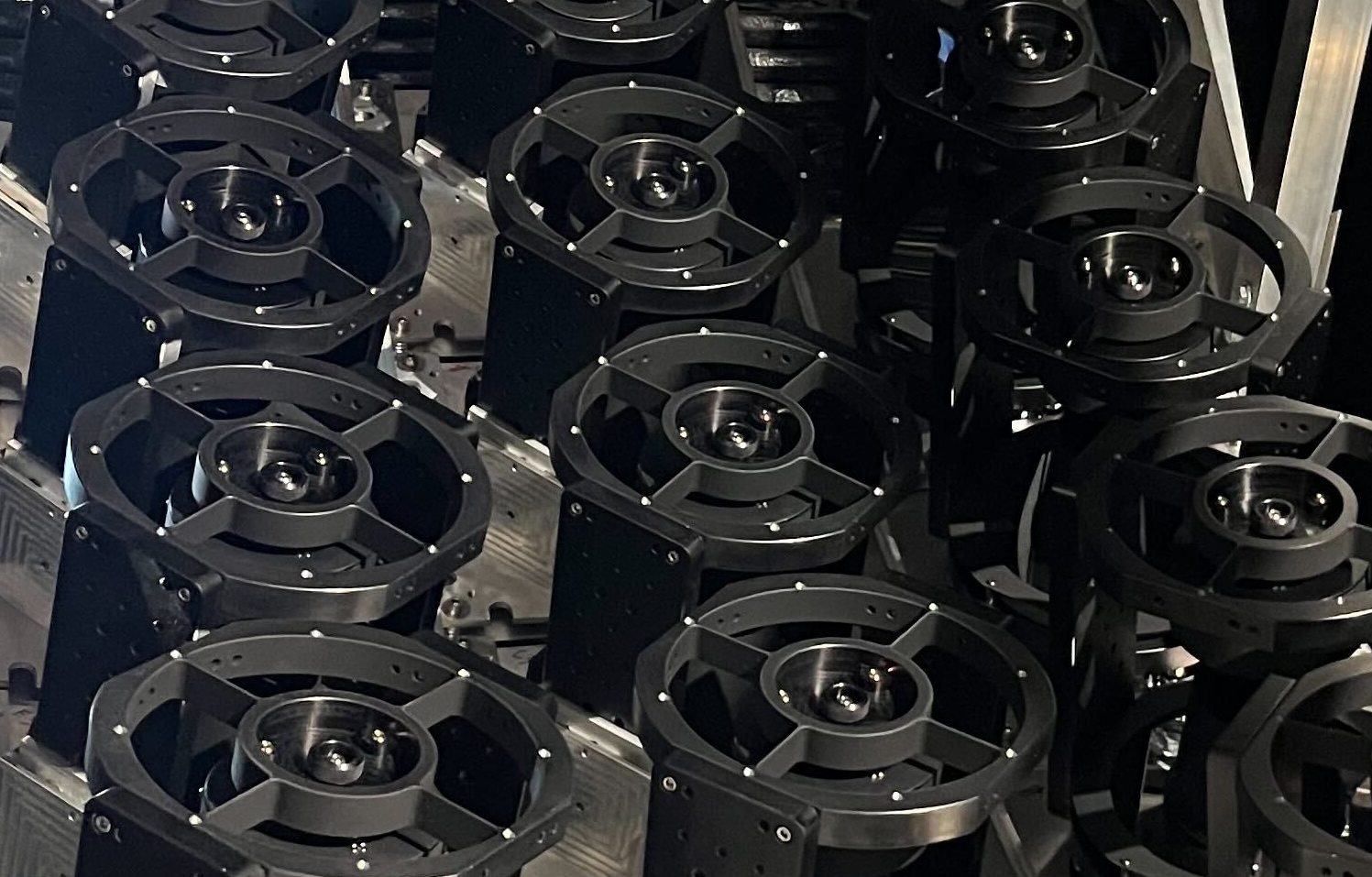
The Array combines over 1,200 individual telescopes into a single 120-gigapixel instrument, the world’s largest digital camera. Combined, the Array’s telescopes have the light-collecting power of an 8-meter telescope—comparable to the largest observatories in the world—while simultaneously monitoring a 104-degree-wide field of view, a quarter of the entire sky. Rather than the brief snapshots possible with most current optical surveys, Argus accumulates hours of continuous observation on every visible star and galaxy each night, creating an unprecedented movie of the dynamic universe.
A new way to see the universe
The Argus design concept is uniquely suited to catch cosmic events as they happen. When a star explodes, when neutron stars collide and send ripples through spacetime, when an asteroid passes in front of a distant star, Argus is already watching. The Array can detect and alert astronomers to these events within minutes of their occurrence, enabling rapid follow-up observations that capture the crucial early moments of transient phenomena — and even go back into the dataset and see what happened before discovery. All Argus data will be public and accessible to everyone.
The Argus Array will provide a leap in our capabilities to detect fast events across huge areas of the sky, speeding up survey speeds from days to minutes or even seconds. The Array’s innovative design—housing all telescopes within a single climate-controlled enclosure—enables these capabilities at a fraction of the cost of traditional large telescopes.
1200 Eyes on the Sky
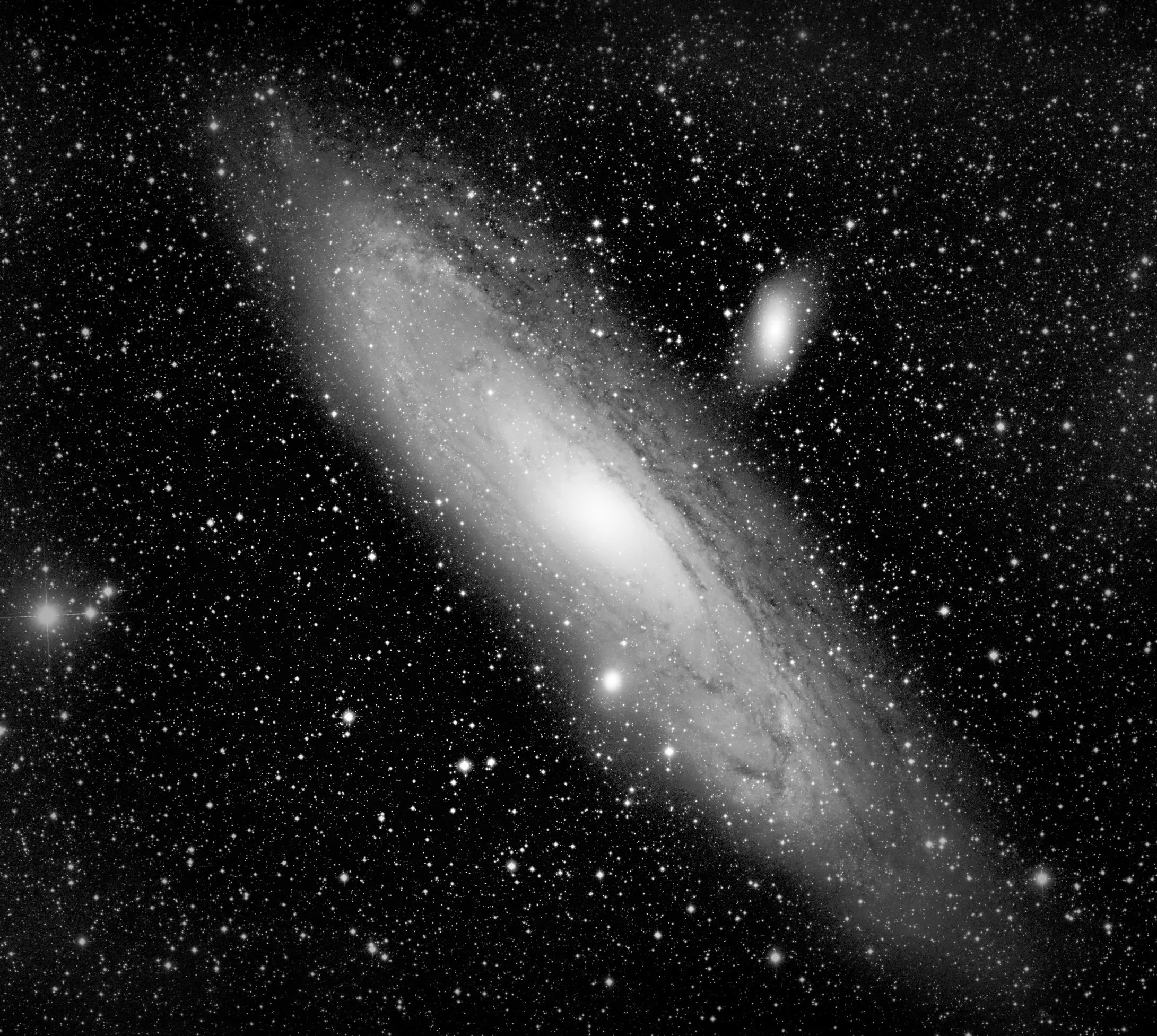
A single 60-second image of the Andromeda galaxy taken with an Argus prototype system. This image takes up 1 / 4000th of the full field of view of the Array. Each night the Array will take hundreds of similar images of every seasonally-accessible part of the Northern sky, enabling the detection of all types of astrophysical events.